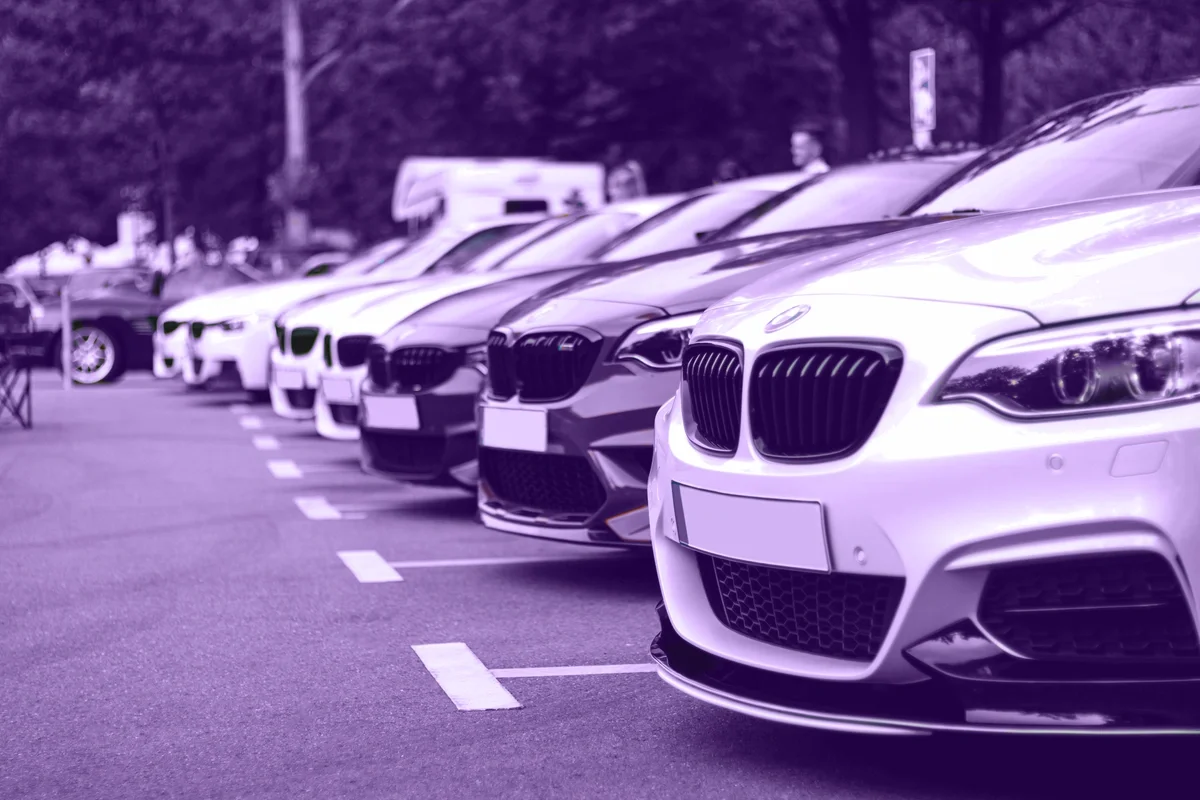
Dealers’ Open Lot, also known as Auto Physical Damage Coverage, provides physical damage coverage for vehicles owned by a dealership. As an important part of Garage Insurance, it is different from General Liability or Business Property Insurance. Dealerships are unique types of businesses, and Dealers’ Open Lot policies are tailored for the specific risks involved. Each insurance company’s interpretation will vary, so work with your Dealer Services team at WalkerHughes Insurance to be clear on all the provisions of your policy.
Vehicles covered may include private passenger vehicles (autos, pickups, minivans, SUVs, etc.), RV units and other autos that are in a dealer’s inventory and are held for sale. Coverage is usually provided for used, new, demonstrators or service vehicles. Most insurance companies require that dealers insure 100 percent of the value of the inventory. There are two options to establish the value for this type of coverage:
1. Monthly reporting requires the dealer to send the insurance carrier a monthly report with the exact dollar value of the vehicle inventory. This option is typically used to insure inventories with value more than $1,000,000.
2. Non-reporting requires the dealer to state the maximum value of the inventory on the date the policy starts. For this option, it is important to pick the value of the inventory at its highest peak to avoid a coinsurance penalty.
What Is the Coinsurance Clause?
Insurance companies generally require that dealers insure 100 percent of the value of their inventories. If you insure less than this, they will only pay a corresponding percentage of your claim. For example, if the value of your inventory is $200,000 and you insure it at $100,000, the insurance company is only required to pay for 50 percent of your claim. To be sure this doesn’t happen to you, check your limit each month.
It is tempting to think that when you have a certain amount of inventory insurance, and when a claim arises that is less than the amount of insurance you carry, you will collect the amount of the claim less the deductible. Instead, the most that will be paid for a loss to any single auto is the lesser of the actual cash value of the damaged or stolen property, the wholesale value of the property, the cost of repairing or replacing the damaged or stolen property or the limit indicated as the most that will be paid for any single auto.
Limit per Unit, in Transit and Other Locations
It is important to ensure that the limit per vehicle—which is the maximum amount the insurance company will pay for each vehicle in the event of a loss—is high enough to avoid excessive loss in the event of a claim. The standard per-vehicle limit on the policy may be much lower than the value of each of your vehicles, so be sure to examine this value to ensure it is appropriate.
If you are interested in a coverage recommendation tailored to your dealership's unique risks, a member of our Dealer Services team would be happy to assist you.
